
Have you ever wondered how much a horse-drawn carriage really costs in Spain? The numbers might surprise you—and not necessarily in a good way.
Over the past three years, the horse carriage market has experienced dramatic shifts, with price variations reaching up to 40% compared to 2023. But before you panic, it’s important to understand why prices fluctuate—and what actually influences the final cost.
Because no, your neighbor’s carriage doesn’t necessarily cost the same as yours. And there’s a good reason for that.
Why Your Carriage Costs More (or Less) Than Others?
The price of a horse carriage depends on so many variables that it often feels closer to pricing a luxury vehicle than a traditional equestrian cart.
Wood: The First Major Price Driver
The type of wood used can dramatically impact the cost.
- European oak carriage: Premium pricing, exceptional durability
- Treated pine carriage: More affordable, shorter lifespan
A pine carriage may last 8–12 years with regular use. An oak carriage? Over 25 years in excellent condition. That durability difference explains why oak models can easily triple the price of basic alternatives.
Metal Fittings and Hardware
The difference between galvanized steel and handcrafted wrought iron is substantial. Artisan-forged iron components can represent up to 30% of the total carriage cost.
The payoff? Greater elegance, durability, and collector appeal.
Wheels: Comfort vs. Tradition
Wheels have undergone a revolution in recent years.
- Traditional wooden wheels: Classic look, lower cost
- Solid rubber wheels: Enhanced comfort, smoother ride
Solid rubber wheels can cost up to five times more than wooden ones. For occasional private use, the upgrade may not be necessary. For professional tourism operations, it’s almost essential.
Upholstery and Interior Finishes
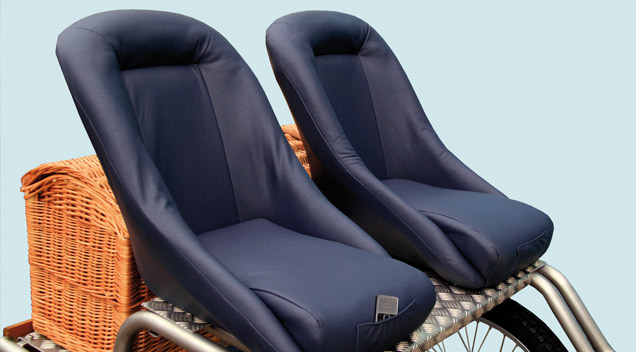
Basic vinyl seating may cost €200–300 per seat. Genuine leather with handcrafted stitching? €800–1,200 per seat—and that’s before decorative finishes like embroidery or chrome details.
In the horse carriage world, the old saying holds true: cheap often becomes expensive. Lower-end models frequently require major repairs every couple of years. High-quality carriages, properly maintained, can last decades with minimal structural issues.
Antique Carriages: When Age Equals Value
The rules change entirely in the vintage carriage market.
A late 19th-century carriage in good condition can command €15,000–20,000 or more. Why? Because traditional handcrafted techniques are no longer widely practiced. Every rivet, joint, and carving reflects master craftsmanship.
Provenance Matters
A Victorian English carriage will typically command higher prices than a locally produced one from the same era. Buyers pay for heritage, documented history, and authenticity.
Restoration: A Double-Edged Sword
Poor restoration can destroy collectible value. Professional restoration, however, may cost more than purchasing a new carriage.
Authenticity documents are critical. Verified provenance can multiply value three- or fourfold. Without documentation, even a beautiful antique carriage may be treated as an ordinary piece.
Original components are equally important. Replacing original wheels with modern ones may improve usability—but significantly reduces collector value.
Auction Market Risks
Specialized carriage auctions move millions annually. But emotional bidding can push prices far above true market value. Inexperienced buyers should proceed cautiously.
Handmade vs. Mass-Produced Carriages
This distinction alone can cause a 200–300% price difference.
Artisan Workshops
Traditional Spanish workshops still use centuries-old techniques. Each joint is hand-fitted. Each finish is brush-applied in multiple layers. Manufacturing can take 6–12 months.
The result? A unique, high-end carriage—at a premium price.
Industrial Production
Standardized templates, pneumatic tools, quick-drying varnishes, and assembly-line methods reduce production costs. Quality remains solid, but uniqueness is reduced.
Hybrid Production Models
Some workshops combine modern structural manufacturing with handcrafted finishing touches—offering a smart balance between quality and affordability.
Geographic Prestige
Carriages built in equestrian hubs like Jerez (Andalusia) often carry a premium due to tradition and reputation—even if objective quality differences are minimal.
Urgency Surcharges
Need delivery by a specific date? Rush production fees can add 15–25% to the final price.
Intended Use: Tourism, Ceremonies, or Collection?
Purpose dramatically influences pricing.
Tourism Carriages
Commercial use requires:
- Regulatory homologation
- Reinforced braking systems
- Reflective safety elements
- Liability insurance
These additions can increase the base price by €2,000–4,000.
Ceremonial Carriages
Weddings and special events prioritize luxury finishes: gold detailing, premium upholstery, decorative embellishments. Higher upfront cost—but potentially fast return on investment.
Collector Carriages
Private collectors seek historical uniqueness. Proven association with noble families or historic events can justify premium pricing.
The Hidden Cost: Maintenance
Annual maintenance typically represents 5–8% of the purchase value.
- Wood treatments
- Metal lubrication and inspection
- Rubber wheel replacement
- Upholstery care
Ignoring maintenance dramatically reduces lifespan and resale value.
Regional Price Differences in Spain
Carriage prices vary geographically.
Andalusia
Sets the national benchmark. High demand driven by equestrian tradition and events like the Seville April Fair. Competition doesn’t always lower prices due to sustained demand.
Northern Spain
More functional, less ornamental designs. Lower prices—but limited availability.
Catalonia
French stylistic influences create distinctive hybrid designs. Slightly higher pricing reflects perceived exclusivity.
Madrid
Largest variety of sellers and imported models. Fierce competition benefits buyers—but watch for middlemen inflating prices.
The Islands
Shipping increases costs by 15–20%. However, tourism demand often justifies the premium.
Imported vs. Domestic Carriages
Central European carriages often offer superior engineering—particularly in suspension and braking systems.
However:
- Customs procedures
- Transport logistics
- Homologation requirements
…can add 30–40% to the base price.
Market Trends for 2026–2027
Sustainability is reshaping buyer preferences.
Eco-Friendly Materials
Carriages made with FSC-certified wood are gaining popularity, especially among younger buyers.
Digital Integration
Discreet GPS tracking systems are increasingly common in tourism fleets (€300–500 upgrade).
Modern Materials
Composite components reduce weight and improve weather resistance—though traditionalists often resist these innovations.
Post-Pandemic Tourism Boom
Rural tourism operators are investing heavily in carriages as a differentiating feature. Commercial carriage prices have risen 25–35% since 2023.
Animal Welfare Regulations
European regulations increasingly require lighter carriage designs to reduce equine strain. Advanced construction techniques improve welfare—but increase production costs.
Advanced Materials Revolution
Nanotechnology-treated wood, corrosion-resistant lightweight alloys, antibacterial upholstery fabrics—these innovations are already here.
Expect next-generation material carriages to cost 50–70% more than traditional models.
Smart Buying Tips
After years of observing both successful purchases and costly mistakes, these golden rules stand out:
- Define your purpose before comparing prices.
- Be cautious with “too good to be true” offers.
- Consider long-term maintenance costs.
- Invest in professional inspection for used purchases.
- Think about resale value from day one.
Financing options are also available, particularly for commercial operations. Specialized lenders offer tailored loan products for tourism-related carriages.
Final Thoughts
The horse carriage market blends heritage with modern innovation. Prices reflect craftsmanship, materials, regulation, and evolving consumer demands.
Understanding what truly affects the price of a horse carriage allows you to make an informed, strategic decision—rather than an emotional one.
Because at the end of the day, the right carriage isn’t just a purchase. It’s a long-term investment in tradition, performance, and opportunity.