
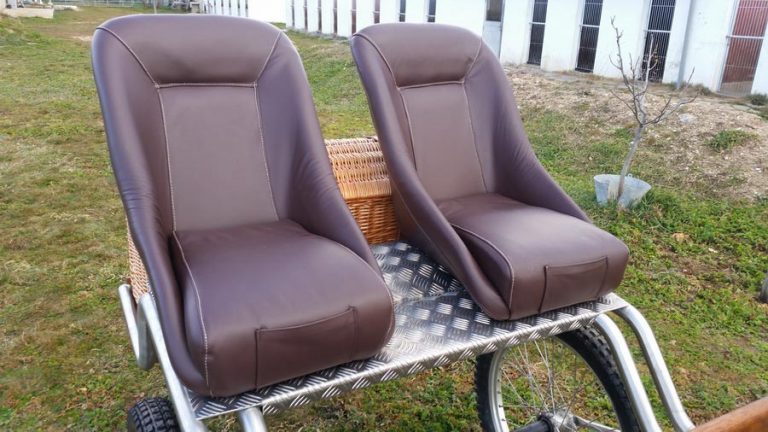
It may sound almost nostalgic in 2026—when autonomous vehicles dominate the headlines—but carriage driving is far from a relic of the past. In fact, demand for equestrian experiences has grown by 23% over the last two years. Horse carriage driving is not a hobby to take lightly. It requires technique, patience, and, above all, a deep understanding of the horse in front of you.
This is a serious discipline. And like any discipline, it comes with rules, practical skills, and a few hard-earned lessons.
What No One Tells You About First Contact with Your Horse
The biggest mistake beginners make? Underestimating the importance of connecting with the horse before stepping onto the carriage seat.
Horses are not machines. Each one has a personality, moods, preferences, and sensitivities. Spending at least 30 minutes establishing calm contact before harnessing is not optional—it’s foundational.
Communication starts the moment you approach the stable.
- Walk slowly.
- Speak in a calm, steady tone.
- Keep your posture relaxed.
Horses sense tension instantly. A nervous driver creates a nervous horse.
Watch for behavioral cues:
- Ears pinned back
- Tense tail
- Raised head and alert posture
These signals indicate discomfort or agitation. A horse in that state is not ready to work.
Grooming Is More Than Hygiene
Pre-drive grooming is your opportunity to assess both physical and emotional condition.
Run your hands along the legs. Look for heat, swelling, or sensitivity. A horse that appears sound while standing may reveal lameness once in motion—and that can quickly become dangerous.
Also, never work a horse immediately after feeding. Allow at least two hours before intense activity. Digestive stress can lead to colic, a serious and potentially life-threatening condition.
Trust is built gradually. Consistency in commands and body language earns respect far more effectively than force.
Mastering the Harnessing Process
Harnessing is where preparation meets precision.
Rushing through this step leads to problems—or worse.
Collar Fit Is Critical
The collar should fit snugly but allow space for your hand between the horse’s neck and the leather. Too tight causes painful chafing. Too loose reduces control.
Breast Straps and Freedom of Movement
Ensure chest straps do not interfere with elbow motion. Horses perform best when their front legs move freely.
Rein Balance
Rein tension must be symmetrical. Even a few centimeters of imbalance can cause the horse to drift to one side, creating fatigue and frustration.
A Vital Safety Rule
Never stand between the horse and the carriage while attaching or detaching. Sudden backward movement can trap you. Statistics show that 34% of carriage-driving accidents occur during harnessing or unharnessing.
Carriage shafts should remain parallel to the ground when the horse stands naturally. Incorrect shaft height causes neck strain or restricts movement.
Before mounting the carriage, perform a gentle traction test by pulling the vehicle slightly to ensure all components are secure.
And always have an emergency plan. Know how to release the harness quickly. Understand early signs of panic. Preparation saves lives.
The Language of the Reins
Once in motion, the reins are your primary communication tool—but they are not a steering wheel.
Rein Handling Basics
- Maintain soft, consistent contact.
- Avoid abrupt jerking motions.
- Keep elbows relaxed and close to your body.
- Maintain firm but flexible wrists.
To turn right, slightly increase pressure on the right rein while softening the left. Smooth, subtle adjustments produce better responses than forceful pulling.
Stopping Properly
Never yank the reins backward. Apply gradual pressure while using a calm, drawn-out vocal cue such as “whoa.”
Voice control is often more effective than rein pressure for managing speed.
Never Drop the Reins
Even when stationary, always maintain contact. Unexpected stimuli—a barking dog, loud engine, or sudden movement—can cause a horse to bolt.
Common Beginner Mistakes That Can Be Costly
Everyone makes mistakes—but some are avoidable.
1. Advancing Too Quickly
Carriage driving requires skill development. Professionals recommend at least 20 hours of supervised practice before driving independently.
2. Ignoring Terrain
Loose stones, deep ruts, and steep slopes affect carriage stability and horse effort.
3. Overlooking Weather Conditions
- Rain reduces traction.
- Strong winds increase unpredictability.
- Temperatures above 30°C require frequent rest and hydration.
4. Overloading the Carriage
Exceeding recommended weight compromises stability and braking efficiency.
5. Inconsistent Verbal Commands
Consistency builds trust. Switching between “walk on” and “let’s go” confuses the horse.
6. Skipping Rest Breaks
Plan stops every 45–60 minutes for hydration and muscle recovery.
7. Inappropriate Clothing
- Non-slip footwear is essential.
- Avoid loose garments.
- Wear gloves to prevent rein burns.
8. Failing to Inspect Equipment
A quick pre-drive inspection can prevent serious breakdowns.
9. Pushing Beyond the Horse’s Limits
Every horse has individual stamina. Overexertion risks injury or collapse.
Choosing Safe and Suitable Routes
Route planning is fundamental to safe carriage driving.
Start with Familiar Terrain
Paved rural roads are ideal for beginners due to predictable surfaces and limited traffic.
Mind the Slope
- 8% incline requires noticeable effort.
- Above 12% becomes hazardous—especially downhill.
If unsure, avoid it.
Path Width
Allow at least two meters of clearance on each side for safe maneuvering.
Road Crossings
Assume drivers may not see you. Choose crossings with clear visibility.
Seasonal Changes
A summer-friendly path may become muddy and unstable in winter.
Route Duration
For beginners, limit drives to 30–45 minutes. Experienced horses may work up to two hours with breaks.
Water Access
Plan routes with water stops—especially in warm weather.
Circular routes are easier than out-and-back paths, eliminating difficult turning maneuvers.
Always inform someone of your planned route and expected return time.
Equipment Maintenance: Your Safety Depends on It
Maintenance is not optional.
After Every Use
- Clean sweat and dirt from harnesses.
- Dry metal fittings thoroughly.
- Inspect for wear or cracks.
Leather requires conditioning every 4–5 uses, depending on climate. Too much oil reduces grip.
Wheels and Tires
- Check tire pressure weekly.
- Inspect wooden rims for wear.
- Ensure wheels are securely mounted.
Brakes
Test before every drive. Cable tension must be correct.
Hitching Points
Examine regularly for metal fatigue or deformation.
Proper Storage
Store harnesses hanging properly—not folded. Keep carriages in dry, ventilated areas.
Record maintenance dates and repairs to track wear patterns and anticipate replacements.
Well-maintained equipment ensures:
- Greater safety
- Improved horse comfort
- Higher resale value
Ready to Take the Next Step?
Carriage driving connects you to centuries of equestrian tradition—but it demands responsibility.
With patience, technical knowledge, and respect for the horse, carriage driving becomes a uniquely rewarding experience.
The road begins with preparation. And from there, every mile becomes part of the journey.