
Do you know how many horses suffer preventable injuries each year due to poorly designed, overly heavy carriages? The 2024 figures are sobering. But here’s the good news: modern carriage design has come a long way.
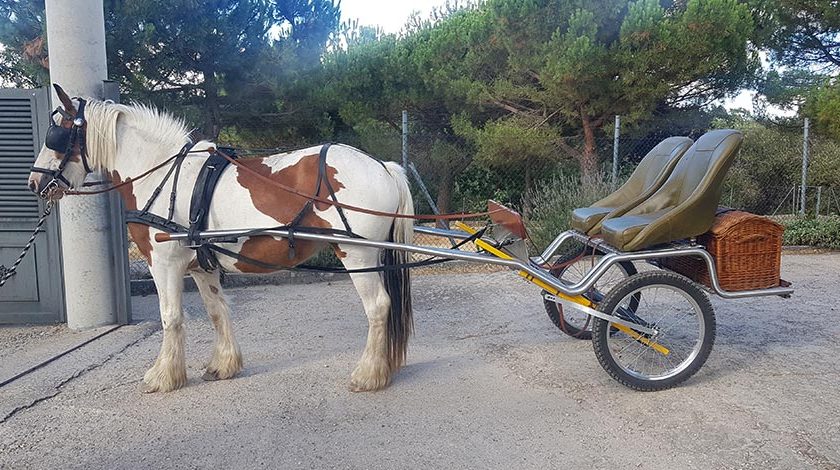
Today’s lightweight horse-drawn carriages are engineered with performance, comfort, and equine welfare in mind. Compared to the heavy wooden wagons of the past, modern models dramatically reduce strain on the horse. And in the end, it all comes down to simple physics: less weight equals less effort.
Let’s break down exactly how a lightweight carriage can improve your horse’s health, performance, and long-term soundness.
Weight Matters More Than You Think
Here’s a key fact: a traditional carriage can weigh up to 40% more than a modern lightweight model. That extra weight doesn’t just sit on the wheels — it transfers directly to your horse’s body.
While a classic four-wheel wooden carriage may weigh around 300 kg (660 lbs), a lightweight aluminum or carbon fiber model often weighs closer to 180 kg (400 lbs). High-performance competition carriages can weigh even less.
That difference is enormous for a working horse.
Typical Carriage Weight Comparison
- Solid wood traditional carriage: 280–320 kg
- Hybrid (wood + aluminum): 220–250 kg
- Ultralight carbon fiber carriage: 160–190 kg
- Competition carriage: 120–150 kg
For a 500 kg (1,100 lb) horse, this means pulling the equivalent of 64% of its body weight versus just 38%. It’s like asking a 155 lb person to carry 100 lbs instead of 60 lbs for hours at a time.
And weight isn’t just about total kilograms — it’s about balance. Well-designed modern carriages distribute weight evenly across the axle system, reducing pressure on the harness and minimizing strain on the shoulders and chest.
The difference becomes even more noticeable on inclines. Fifty extra kilos may seem manageable on flat ground, but on hills, that added resistance dramatically increases muscular demand. Many horses show an immediate change in posture and attitude the first time they pull a lightweight carriage.
Common Mistake
Some owners believe they can offset excessive weight by hitching multiple horses. In reality, this increases feed, maintenance, and veterinary costs without solving the core issue: poor equipment design.
Material Comparison
- Stainless steel carriages: Durable, but often 25% heavier than aluminum models.
- Fiberglass: About 15% lighter than wood and more affordable than carbon fiber.
- Aluminum alloys: Excellent balance of strength and weight.
- Carbon fiber: Ultralight and ideal for high-performance use.
Practical Tip: When evaluating a carriage, consider not only the empty weight but also how well it’s balanced. A properly engineered 220 kg carriage may be less fatiguing than a poorly designed 200 kg one.
Equine veterinarians consistently identify excessive carriage weight as a leading contributor to premature fatigue — and fatigue leads to compensatory movement patterns and injury.
Reduced Muscle Strain, Greater Comfort
Have you ever watched your horse walk after pulling a heavy carriage? Neck stiffness and back tension are often obvious.
Lightweight carriages allow for more natural movement. Horses can maintain proper posture without over-engaging stabilizing muscles. The difference becomes especially clear on longer routes.
Stride length improves noticeably. Without excessive drag, horses move forward rather than feeling like they’re “pulling against resistance.” The result is smoother motion and reduced joint stress.
Where the Difference Is Most Noticeable
- Tourist carriage rides (3+ hours): Horses maintain consistent energy levels.
- Endurance competitions: Lower heart rates in the latter half of events.
- Daily farm work: Fewer required recovery days.
- Driving dressage training: Greater precision in lateral movements.
Muscle Groups That Benefit Most
- Trapezius: Reduced tension in neck and withers
- Longissimus dorsi: Improved spinal flexibility
- Gluteal muscles: Less propulsion overload
- Hamstrings: Lower strain during push-off phase
Less cervical tension improves circulation and oxygen delivery, which directly impacts stamina. The hindquarters also work more efficiently, contracting and releasing in a more natural rhythm.
Frequent Misconception
Even powerful draft horses benefit from lightweight equipment. Strength does not make them immune to cumulative strain — longevity improves dramatically with reduced load.
Observation Tip: Watch your horse’s ears while working. With heavy equipment, ears often pin backward in concentration or discomfort. With lighter carriages, they remain alert and mobile — a strong indicator of comfort.
After years of covering equestrian disciplines, one thing is clear: horses pulling lightweight carriages carry themselves differently — relaxed neck, fluid stride, attentive expression. It’s visible well-being.
Better Ventilation and Thermal Regulation
This factor is often overlooked: carriage design affects your horse’s body temperature.
Lightweight carriages tend to be more aerodynamic. Reduced wind resistance improves airflow around the horse, limiting overheating and excessive sweating.
In summer conditions, this becomes critical. Overheated horses fatigue faster, dehydrate more easily, and face increased risk of heat stress.
Design Features That Improve Airflow
- Integrated side vents
- Elevated floor structure
- Perforated panels
- Aerodynamic chassis design
Field Study Data
- Traditional heavy carriage: +2.5–3°C body temperature increase
- Well-ventilated lightweight carriage: +1.5–2°C increase
- Recovery time difference: 15–20 minutes faster with lightweight models
Harness systems designed for lightweight carriages also use more breathable materials with less surface contact.
Key Ventilation Zones
- Between front legs
- Along the back under the harness
- Lateral neck area
- Flanks (maximum lung expansion zone)
Recommended Harness Materials
- Perforated leather
- Channel-designed neoprene
- Technical breathable fabrics
- 3D mesh materials
In many cases, switching from a heavy to a lightweight carriage reduces post-exercise recovery time by up to 30%. Lower thermal stress means lower metabolic stress — and improved overall fitness.
More importantly, proper temperature regulation improves behavior. Horses that are not overheated maintain focus and respond more predictably, enhancing safety.
Reduced Impact on Joints and Tendons
Joint injuries in carriage horses are more common than many owners realize.
Every additional kilogram increases inertia. During sudden stops, that mass continues pushing forward, placing enormous stress on the hind limbs. Lightweight carriages reduce this force significantly.
Flexor tendons, which function like springs during movement, also benefit from reduced load. Lower strain means fewer microtears and lower risk of chronic tendonitis.
Joints That Benefit Most
- Hocks: Up to 40% less braking pressure
- Fetlocks: Reduced hyperextension
- Knees: Lower lateral stress
- Hip joint: Less overload on steep inclines
2024 Veterinary Data
- Flexor tendonitis: 60% more common with heavy carriages
- Early arthritis: Appears 3–4 years sooner in overloaded horses
- Hoof problems: 45% more frequent with excessive weight
Repeated overload increases concussion forces on hard ground, contributing to laminitis, abscesses, and sole bruising.
Hoof-Specific Benefits
- Reduced concussion on firm surfaces
- Improved blood circulation in the hoof
- Lower stress cracking
- Reduced shoe wear
Protective bandages and supplements can help — but they don’t address the root cause. A lightweight carriage does.
Greater Agility and Improved Safety
Unexpected situations are inevitable — traffic, crowds, loose animals.
A lightweight carriage allows quicker directional changes and shorter braking distances. Less inertia means better control.
Braking Distance at 15 km/h
- 300 kg carriage: 12–15 meters
- 200 kg carriage: 8–11 meters
- 150 kg carriage: 6–9 meters
Situations Where Agility Is Critical
- Urban environments
- Public events
- Uneven terrain
- Competitive driving courses
Steering precision also improves. Lighter carriages typically have tighter turning radii and transmit rein signals more directly.
Turning Radius Comparison
- Heavy traditional carriage: 8–10 meters
- Modern lightweight carriage: 5–7 meters
- Ultralight competition model: 4–6 meters
From a physics standpoint, kinetic energy increases with mass and velocity. Heavier carriages carry significantly more stopping force — and that energy must be absorbed somewhere.
Many equestrian insurance providers acknowledge this by offering better rates for certified lightweight equipment due to lower accident risk.
Long-Term Soundness and Longevity
What if you could extend your horse’s working life by five years?
Cumulative wear is the silent enemy. Daily overload results in micro-injuries and chronic inflammation. Lightweight carriages slow this process.
15-Year Comparative Study
- Horses pulling heavy carriages: 12–14 years average active life
- Horses using lightweight carriages: 16–18 years active life
Healthy Aging Indicators
- Maintained joint mobility
- Slower muscle mass loss
- Stronger respiratory capacity
- Positive attitude toward work
Veterinary costs also decrease over time.
10-Year Economic Outlook
- Veterinary savings: €2,000–€3,500
- Fewer lost workdays: +40–60 days
- Reduced supplement use: €500–€800 saved
- Extended career lifespan: invaluable
Preventative medication and frequent therapy help, but they cannot replace proper equipment.
Beyond physical benefits, horses that associate work with comfort rather than strain maintain better mental engagement. They approach harnessing willingly and remain attentive during work.
Transitioning to a Lightweight Carriage
If you currently use a heavy carriage, transition gradually. Horses often show increased energy when strain decreases. Adjust training intensity while maintaining discipline and consistency.
The Bottom Line
If you’re serious about equine welfare, performance, and long-term durability, investing in a lightweight horse carriage is one of the most impactful decisions you can make.
Modern lightweight carriage designs combine comfort, safety, and functionality without compromise. And your horse will feel the difference from the very first mile.